




Why Molly Tea Was Ordered to Pay Louis Vuitton $1.5 Million (And What’s Next)
Molly Tea, the Shenzhen jasmine tea chain with thousands of stores worldwide, lost a trademark case to Louis Vuitton in China this summer. A court ordered the tea brand to pay 10.3 million yuan (about US$1.5 million) over a four-petal flower design that judges found too close to LV’s famous monogram flowers.
Molly Tea has said it will appeal. Here’s what the case is about, why so many people sided with the tea brand, and what it could mean for the Molly Tea look you know.
Molly Tea vs Louis Vuitton: Quick Facts
- Court: Suzhou Intermediate People’s Court, Jiangsu province, China
- Case filed: May 2025
- First ruling: June 29, 2026 (reported July 2, 2026)
- Finding: Molly Tea’s four-petal flower infringed seven registered LV trademarks
- Damages: 10 million yuan, plus 300,000 yuan in legal costs (10.3 million yuan total)
- Other orders: Stop using the design and post corrective statements on its official platforms
- Status: First-instance ruling. Molly Tea says it will appeal.
What Was the Case About?
Louis Vuitton’s monogram includes several four-petal flower shapes that the brand has registered as trademarks. Molly Tea used its own four-petal flower across its branding, on store signs, drink packaging, promotional materials, its website and its ordering mini-program.
LV argued that Molly Tea’s flower was too similar to its registered marks. The court agreed, finding that the design infringed seven of LV’s trademarks.
The defendants were Molly Tea’s parent company in Shenzhen and one Molly Tea store in Suzhou. The store was held jointly liable for up to 100,000 yuan of the damages.
Why the Court Ruled Against Molly Tea
A key detail is Molly Tea’s own trademark history. In August 2024, Molly Tea applied to register its flower logo in China. The trademark office rejected it, citing two of LV’s existing four-petal marks. Molly Tea’s request for a review was also dismissed.
According to legal commentary on the case, the court pointed to these rejected applications and found “significant malicious intent”. In simple terms: Molly Tea had been officially told the design clashed with LV’s marks, and kept using it anyway. That finding helps explain why the damages were so high.
Why So Many People Sided With Molly Tea
Public reaction in China was strongly against Louis Vuitton. Critics argued that four-petal flower patterns are part of Chinese heritage, pointing to Tang Dynasty artifacts that carry similar motifs, centuries before LV existed. Many online users accused LV of trying to own an ancient design.
Others focused on the size gap: a global luxury giant suing a tea chain over a flower shape struck many as heavy-handed. The story spread well beyond China, with international outlets picking it up in early July.
Many trademark lawyers, however, saw the ruling as legally sound. Their point: the case wasn’t about who invented four-petal flowers, but whether Molly Tea’s specific design was confusingly close to LV’s specific registered marks, and whether Molly Tea kept using it after being warned.
Is Molly Tea Changing Its Logo?
Partly, so far. Molly Tea has reportedly already changed the color and design of the logo in its WeChat mini-program. There’s no confirmed change yet to its main logo or store designs.
What happens next depends on the appeal. If the ruling is upheld, Molly Tea would have to stop using the infringing design in China, which could mean a wider rebrand of signage, cups and packaging there.
Does This Affect Molly Tea Stores in the US, UK or Singapore?
Not directly, based on what’s been reported. The ruling comes from a Chinese court and covers trademarks in China. There’s been no report of LV bringing a similar case in the US, UK, Singapore or other markets.
That said, if Molly Tea decides to redesign its flower globally to avoid future disputes, stores outside China could see new packaging over time. Nothing like that has been announced.
This isn’t Molly Tea’s only legal headline this year. In the US, a separate dispute led four New York stores to drop the Molly Tea name; we explained that story in why NYC Molly Tea stores became “? Tea”.
What Happens Next
- The appeal: Molly Tea’s founder, Zhang Bochung, has said the company will appeal. In China, a first-instance ruling doesn’t take effect while an appeal is pending.
- A second ruling: A higher court will review the case. It can uphold, change or overturn the first decision.
- Branding decisions: Depending on the outcome, Molly Tea may need to retire or redesign the flower in China.
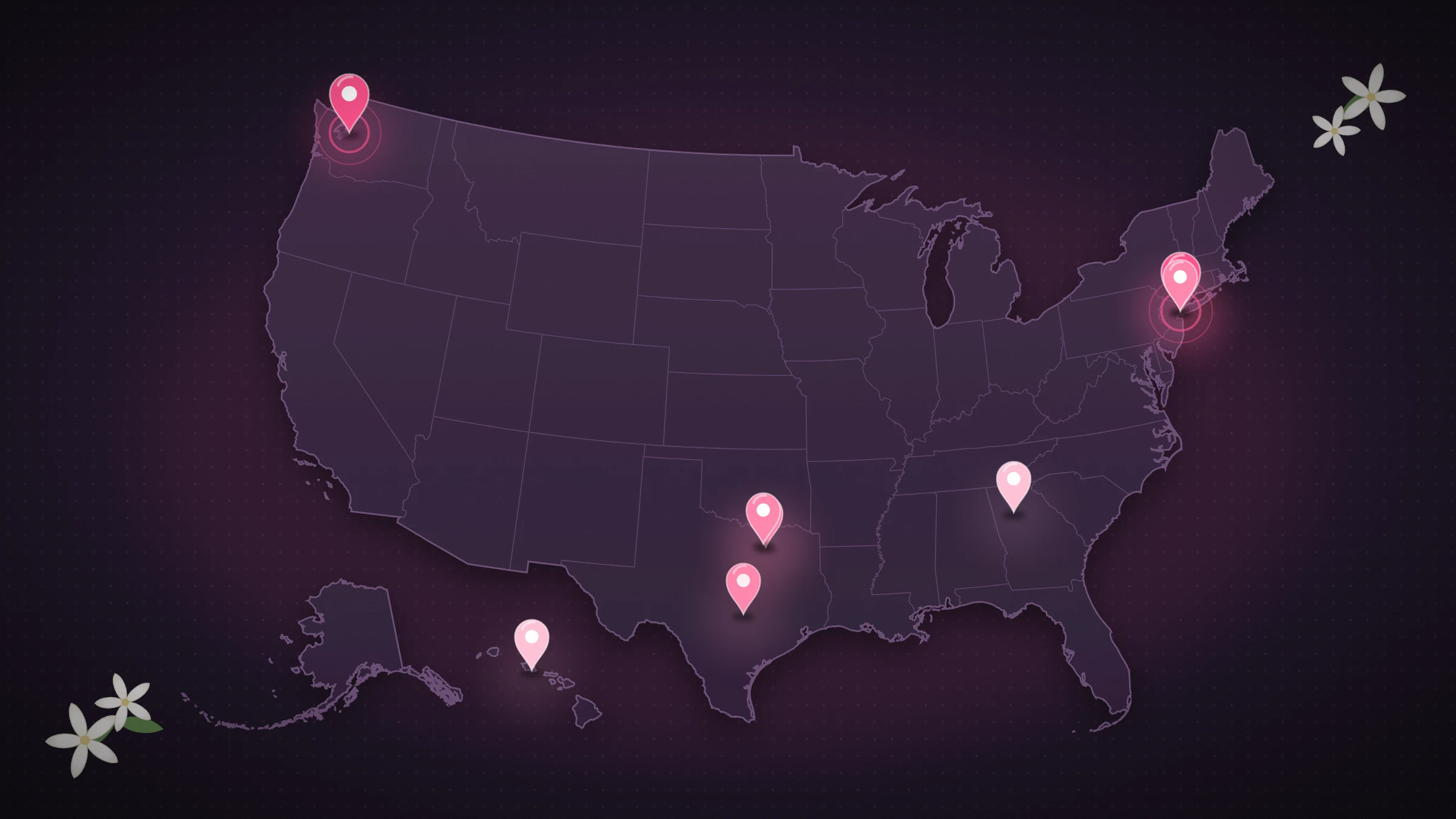
Meanwhile, Molly Tea keeps expanding. It’s opening new stores near Seattle this week and has more Texas locations, including Austin, on the way.
FAQs
Why did Molly Tea have to pay Louis Vuitton?
A Chinese court found Molly Tea’s four-petal flower design infringed seven of LV’s registered flower trademarks.
How much does Molly Tea have to pay?
10.3 million yuan, about US$1.5 million: 10 million in damages and 300,000 in legal costs.
Is Molly Tea appealing?
Yes. Molly Tea’s founder has said the company will appeal the first-instance ruling.
Did Molly Tea copy Louis Vuitton?
The court found the design infringed LV’s trademarks and pointed to Molly Tea’s rejected trademark applications. Molly Tea disputes the ruling, and many people argue four-petal flowers are a traditional Chinese motif.
Will Molly Tea change its logo?
It has already changed the logo in its WeChat mini-program. Wider changes depend on the appeal.
Are US Molly Tea stores affected?
Not directly. The ruling applies in China, and no similar case has been reported elsewhere.
This article is based on reporting from the South China Morning Post, The Standard, HK01 and legal analysis from Marks & Clerk and China IP Law Update, checked October 12, 2026. We’ll update it when the appeal is decided.